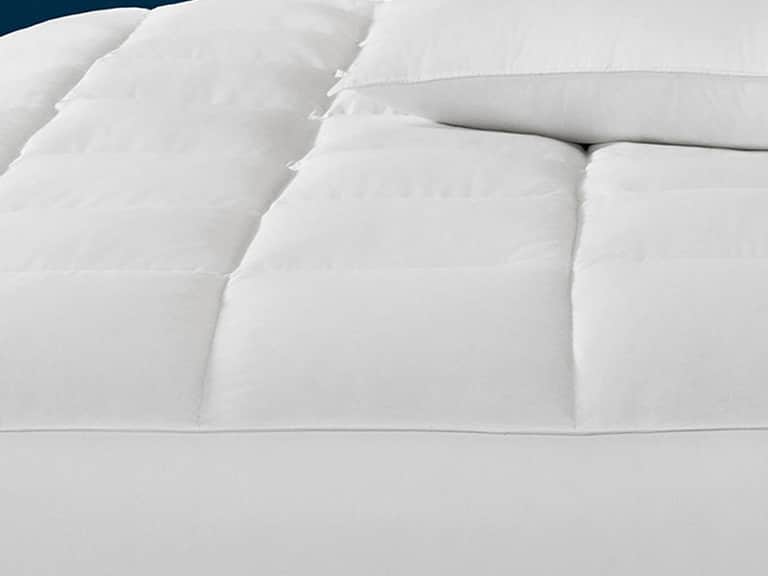
Mattress protectors and pads provide a protective barrier between the sleeper and the mattress surface, helping extend the life of bedding and preserve interior materials. Materials may include cotton percale, terry toweling, or waterproof membranes, each chosen for durability and comfort. Understanding breathability, thickness, and fit ensures a suitable option for varied sleeping environments and sensitivities to allergens or moisture.
Key features to evaluate include waterproof protection, quilted layering, and stretch-side skirt design for secure, wrinkle-free positioning. A well-designed mattress pad should balance a soft touch with efficient moisture management, aiding in temperature regulation and hygiene. In hypoallergenic contexts, fabric blends and finishes can reduce irritants while maintaining a comfortable feel.
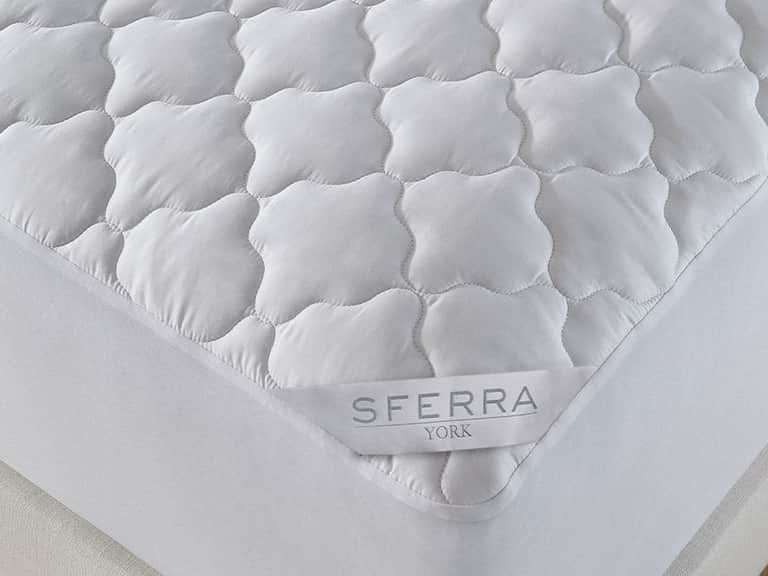
The York Mattress Pad exemplifies a versatile option with a quilted top and a moisture barrier that protects the mattress from spills and accidents. Its construction aims to combine comfort with practical protection, sustaining the mattress surface while preserving a natural, breathable sleep surface for daily use and extended mattress longevity.
The Monmouth Mattress Pad offers similar protective advantages with attention to a plush surface and reliable containment of bodily fluids. Its design focuses on even distribution of padding to minimize pressure points, supporting restful sleep while providing a hygienic barrier against stains and wear. Such pads are relevant for households with children or adults managing incontinence or allergies.
For applications across bedding ecosystems, mattress protectors and pads complement organic mattresses, latex-based mattresses, and crib setups by adding a washable, removable layer that enhances cleanliness and longevity. Considering materials, fit, and care instructions helps ensure compatibility with organic bedding ecosystems, including organic crib mattresses and compatible pillow and bedding configurations.
 Bedding