Blankets are bedding layers used to provide warmth, comfort, and adjustable insulation during sleep or rest. Their usefulness depends on factors such as fabric, thickness, weave, and size, which influence how heat is retained and how the material feels against the skin. Choosing a suitable blanket can support comfort across changing room temperatures and seasons.
Blanket materials vary in breathability, weight, softness, and care requirements. Natural fibres can offer a different feel and temperature response from synthetic fabrics, while woven or knitted construction affects drape and airflow. These characteristics matter when coordinating blankets with sheets, pillows, and mattresses to create a bedding arrangement suited to individual comfort preferences.
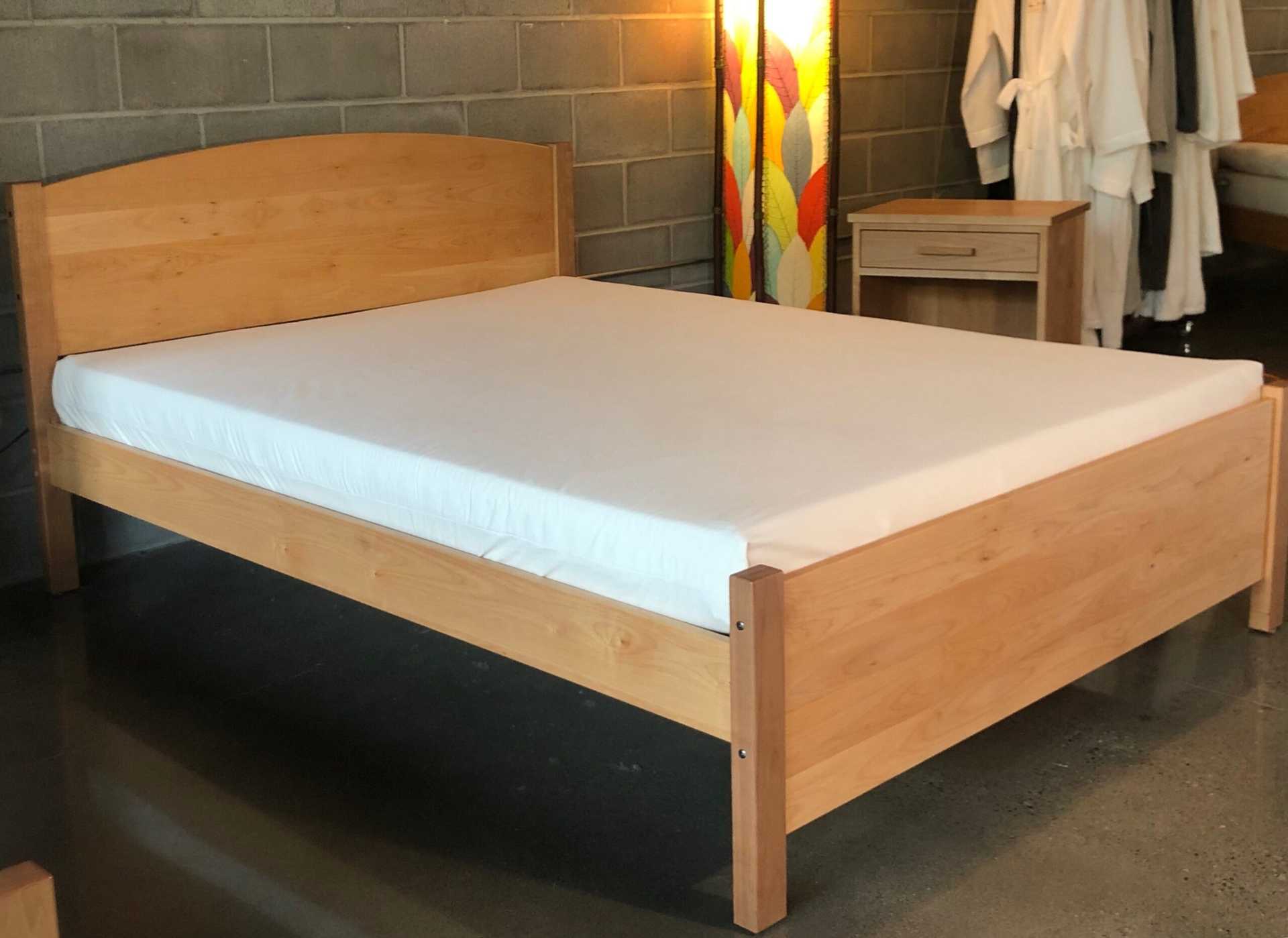
Mattress construction also contributes to the feel and warmth of a bedding setup. The Organic Mattress - Latex 6.5" is described as an organic latex mattress with a 6.5-inch profile. Latex is valued for resilient support and responsiveness, qualities that can influence pressure distribution and the way blankets settle over the sleeping surface.
The Natural Wool & Latex Mattress 6.5 Inch combines natural wool and latex in a 6.5-inch mattress design. Wool is commonly associated with moisture management and temperature regulation, while latex provides buoyant support. Understanding these material characteristics helps explain how a mattress may complement blankets and other bedding layers in different sleeping environments.
Blankets form one part of a broader bedding system that may include pillows, sheets, and organic mattresses, including organic crib mattresses designed for infant sleep spaces. Material compatibility, appropriate sizing, and care instructions are important considerations. Together, these details help clarify how bedding components contribute to warmth, surface comfort, and practical everyday use.
 Bedding